LeanBites
If you want help deciding what to order at major chains, LeanBites wins, it scores every item using each chain’s published nutrition and your personal targets. If you eat at independent spots (or want alcohol included), MenuFit wins on coverage but uses AI estimates. MyFitnessPal wins for logging what you ate after.
Most “MenuFit vs MyFitnessPal” comparisons act like you’re sitting at home logging chicken and rice.
Real life is you standing in line at Chipotle trying to pick between a steak bowl and “whatever looks good,” with 20 people behind you.
So let’s split the problem into 2 moments:
- Before you eat: you need a fast order decision.
- After you eat: you want a record of what happened.
MenuFit, MyFitnessPal, and LeanBites are built for different moments. Here’s the clean breakdown.
Best app for choosing what to order (fast answer)
If your main use case is deciding what to order at restaurants, LeanBites is the most purpose-built option.
It’s not a diary. It ranks menu items by more protein per calorie, and it’s personalized after a quick onboarding (goal, activity level, cravings, foods you don’t eat). Excluded foods don’t show up again.
It also sticks to published nutrition info from major US chains, which is what you want when you’re making a decision off numbers.
What each app is actually designed to do
You’ll save time by matching the app to the job.
LeanBites
LeanBites is an iPhone app (free to try) that scores every menu item at major US chains based on your goal and macro targets.
You open it at the restaurant, see the best-ranked orders, and pick one. One tap can send you to Uber Eats or DoorDash to order.
Key point: it tells you what to order, it’s not centered around logging.
MenuFit
MenuFit is a restaurant nutrition app that uses AI to analyze menus, including restaurants and dishes that don’t have published nutrition.
That’s the big advantage. It can work basically anywhere, including bars and alcoholic drinks.
The trade-off is baked into their own terms, nutrition may be estimated and may be inaccurate. App-store reviews also mention AI estimates being off.
MenuFit requires a subscription for real use (about $9.99/month for Basic or $19.99/year for Premium). The free tier is very limited.
MyFitnessPal
MyFitnessPal is a food diary.
It’s great when you want to log everything you eat. It has a free tier and a large food database where you can view macros.
Premium is $19.99/month or $79.99/year and adds barcode scanning, Meal Scan (photo logging), voice logging, and gram-based macro goals. Premium+ adds meal planning.
But it’s not built to rank a restaurant’s menu for your goals. It’s more “record what happened” than “help me pick the order.”
Data source and accuracy (published numbers vs AI estimates)
This is where the apps feel most different in practice.
LeanBites: chain-published nutrition
LeanBites uses each chain’s published nutrition info for the menus it covers.
If you’re comparing two items at the same chain, you’re working off the same source the chain publishes. That makes the numbers consistent, which matters when you’re trying to hit a calorie or protein target.
MenuFit: AI estimates for any menu
MenuFit can analyze menus that don’t have nutrition posted. That’s useful at local restaurants.
You’re accepting that the calories and macros may be estimates and may be inaccurate. That doesn’t make it useless, it just changes how confidently you can rely on the numbers.
MyFitnessPal: logging database
MyFitnessPal is built around entering foods you ate. It can show macros, but it’s not focused on verifying every restaurant menu item in a “pick this, not that” workflow.
If your goal is choosing an order quickly, the friction shows up.
Personalization (who tells you what to eat, for your targets)
LeanBites: personalized scoring and exclusions
LeanBites asks your goal (lose fat, build muscle, maintain), activity level, cravings, and foods you don’t eat.
Then it sets daily calorie and macro targets and scores menu items accordingly. Foods you exclude are never recommended again.
That’s exactly what you want when you’re trying to decide in 30 seconds.
MenuFit: goals and filters
MenuFit frames goals as cutting or bulking, and includes dietary-restriction/allergy filters.
It also includes an AI chat assistant. If you like asking “what should I get here?” that can be your workflow.
MyFitnessPal: personalized targets for tracking
MyFitnessPal can support macro tracking, especially with Premium features like gram-based macro goals.
But it’s still a tracker. You’re usually doing the work to find the restaurant entry, pick servings, then log.
Restaurant coverage (where each one actually works)
This is the real trade-off.
MenuFit wins coverage
MenuFit can work at any restaurant worldwide, including bars and alcoholic drinks.
If you eat mostly at independent restaurants, this matters a lot.
LeanBites wins major chains with consistent data
LeanBites covers major US chains (think Chick-fil-A, Chipotle, and lots more) and scores 30,000+ menu items using chain-published nutrition.
If most of your “I need food now” meals are at big chains, this is the sweet spot.
MyFitnessPal works anywhere, but as a log
You can log foods from basically anywhere in MyFitnessPal. The question is whether you want to do that work every time, and whether it helps you decide before you order.
Effort required (what it feels like at the counter)
Here’s the simplest way to think about it.
- LeanBites: open app, see ranked picks for your goal, order.
- MenuFit: scan/analyze menu, get AI estimates, decide.
- MyFitnessPal: search item, choose entry, adjust servings, log.
If you’re trying to choose between 10 menu items in a loud restaurant, the ranking step matters.
Example: what “choosing before you eat” looks like (with real menu macros)
Let’s make it concrete with two chains.
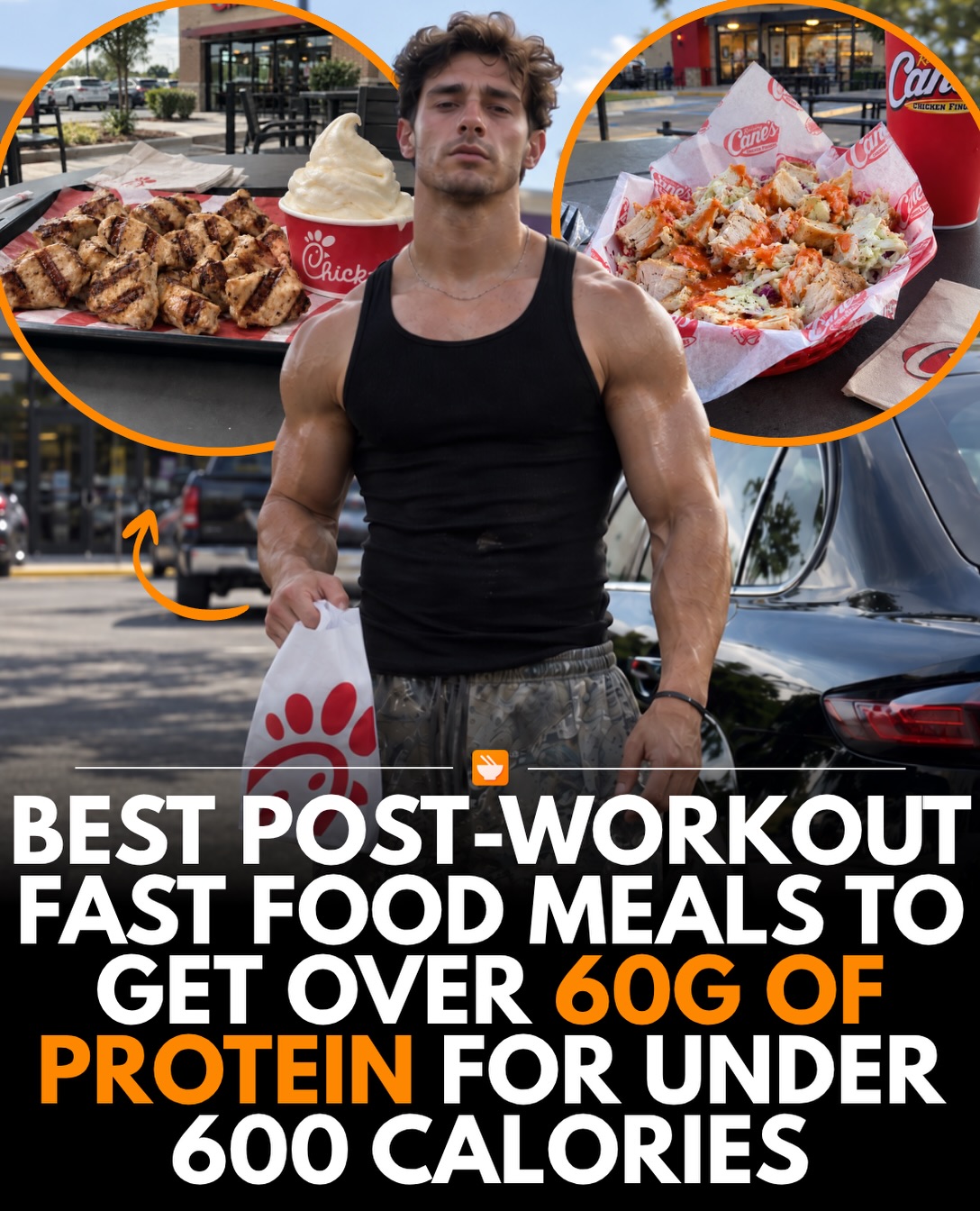
Chick-fil-A: protein-forward choices show up fast
LeanBites will surface high-protein-per-calorie options right away.
Here are a few published-nutrition examples:
| Item | Calories | Protein | Carbs | Fat |
|---|---|---|---|---|
| Grilled Nuggets (8 ct) | 130 | 25g | 1g | 3g |
| Grilled Nuggets (12 ct) | 200 | 38g | 2g | 4g |
| Double Grilled Protein Style Chicken Sandwich | 290 | 42g | 8g | 8g |
| Chick-Fil-A Cool Wrap (no dressing) | 350 | 42g | 29g | 13g |
| Classic Chicken Sandwich | 420 | 29g | 41g | 18g |
You can see the decision instantly. If you’re prioritizing protein, the grilled nuggets and the protein-style sandwich are the obvious direction.
Chipotle: ordering is basically “macros by ingredient”
At Chipotle, you can go high-protein without doing mental math for 5 minutes.
| Item | Calories | Protein | Carbs | Fat |
|---|---|---|---|---|
| Lean Greens Steak Bowl | 335 | 30g | 34g | 8g |
| Barbacoa + Chicken Protein Bowl | 385 | 57g | 11g | 14g |
| Cutting Double Chicken Bowl | 560 | 73g | 37g | 16g |
| Triple Chicken Power Bowl | 600 | 97g | 13g | 21g |
| Double Pro Chicken Bowl | 810 | 82g | 62g | 28g |
If you want the “restaurant moment” to be easy, having these laid out and ranked is the whole game.
Easy swaps you can actually use
These are the kinds of changes that don’t feel like a new personality, they just move the numbers.
Instead of Chick-fil-A Classic Chicken Sandwich (420 calories, 29g protein), get Grilled Nuggets (12 ct) (200 calories, 38g protein), saves 220 calories and adds 9g protein.
Instead of Chick-fil-A Grilled Nuggets (8 ct) (130 calories, 25g protein), get Grilled Nuggets (12 ct) (200 calories, 38g protein), adds 70 calories and adds 13g protein.
Instead of Chipotle Lean Greens Steak Bowl (335 calories, 30g protein), get Barbacoa + Chicken Protein Bowl (385 calories, 57g protein), adds 50 calories and adds 27g protein.
Instead of Chipotle Cutting Double Chicken Bowl (560 calories, 73g protein), get Triple Chicken Power Bowl (600 calories, 97g protein), adds 40 calories and adds 24g protein.
Price and value (what you pay for the restaurant decision)
- LeanBites: free to try.
- MenuFit: subscription needed for real use (about $9.99/month Basic or $19.99/year Premium). Free tier is very limited.
- MyFitnessPal: free tier available. Premium is $19.99/month or $79.99/year, with Premium+ adding meal planning.
Value depends on your bottleneck.
If your problem is “I don’t know what to order,” the app that reduces decision effort is worth more than the one that adds more ways to log.
Which app wins for you (clear picks)
If you want the simplest answer to “what should I order at this chain?”
Pick LeanBites.
You get personalized scoring, chain-published nutrition numbers, and ranked options built for the moment you’re ordering.
If you eat at independent restaurants a lot (and want alcohol included)
Pick MenuFit.
It can analyze basically any menu anywhere. Just treat the calories and macros as estimates, because that’s what they are.
If you want to log everything you eat (restaurants, home cooking, snacks)
Pick MyFitnessPal.
It’s a diary first. It’s the best fit when your main goal is tracking, not menu ranking.
Practical tip: whichever app you choose, decide your default order at 2 or 3 places you eat all the time (like Chick-fil-A grilled nuggets or a Chipotle protein bowl). Then you’re not making a brand-new decision every single meal.
FAQ
Is MenuFit more accurate than LeanBites for restaurant macros?
Not usually for major chains. LeanBites uses each chain’s published nutrition info, while MenuFit can estimate calories and macros with AI, and its own terms say estimates may be inaccurate.
Can MyFitnessPal help me decide what to order before I eat?
It can show macros for foods you find in its database, but it doesn’t rank a restaurant’s menu for your goals. It’s mainly built to log what you ate after the fact.
Which app is best if I only eat at big chains like Chipotle and Chick-fil-A?
LeanBites is the best fit for that use case. It covers major US chains and scores every menu item based on your personalized calorie and macro targets.
Which app is best for macros when I eat at local restaurants with no nutrition info?
MenuFit is designed for that situation because it can analyze menus that don’t have published nutrition, including independent restaurants and bars. The trade-off is the numbers are estimates, not published values.