LeanBites
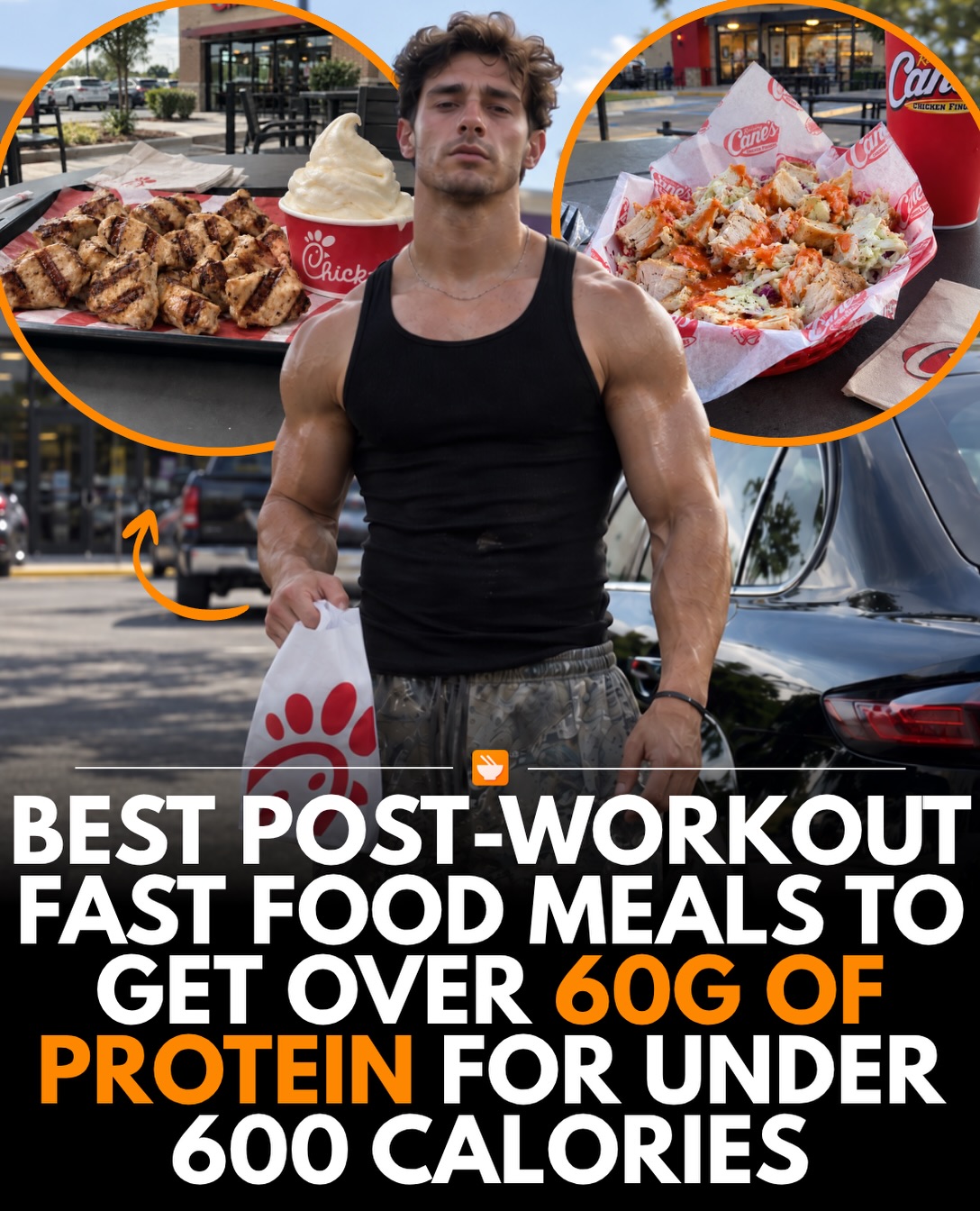
Use a protein-per-calorie rule, then sanity-check the chain’s nutrition page before you order. Aim for lean mains and control sauces and sides. Solid copy/paste picks include Chipotle’s Cutting Double Chicken Bowl (560 calories, 73g protein), Chick-fil-A Grilled Nuggets (30 ct) (510 calories, 98g protein), Subway’s Sweet Onion Teriyaki Chicken Bowl (640 calories, 72g protein), and McDonald’s Double Quarter Pounder With Cheese (740 calories, 48g protein).
Eating out can work with your macros, but only if you stop guessing.
The repeatable move is to rank options by protein per calorie, then do a fast check for the usual macro landmines (sauces, sides, and “grilled” items that still aren’t lean). Once you’ve got a few default orders at your go-to chains, this gets stupidly easy.
Below is the method, plus copy/paste orders at Chipotle, Chick-fil-A, Subway, and McDonald's.
The protein-per-calorie rule (the only filter you need to start)
When you’re trying to hit a protein target without blowing calories, you don’t need perfect macro math. You need a fast ranking rule.
Here’s a simple one:
- Start with 10g+ protein per 100 calories as your “worth a look” line.
- 15g+ per 100 calories is where meals usually feel like cheat codes.
You can do this in your head. 40g protein on a 400-calorie meal is 10g per 100. 60g on 600 calories is also 10g per 100.
This isn’t about being strict. It’s about quickly spotting the menu items that are protein-forward instead of calorie-forward.
How to sanity-check a chain’s nutrition page in 60 seconds
Most chains publish nutrition. Use it like a bouncer.
Pick your “main protein” first. Chicken, steak, turkey, burger patties, grilled nuggets.
Check calories and protein, ignore everything else for 10 seconds. If protein is low for the calories, move on.
Scan fat next. This is usually what sneaks calories in. You’re not avoiding fat, you’re noticing when it’s doing all the work.
Check carbs only if you have a carb cap. Bread, tortillas, rice, and “healthy” bowls with sweet sauces are where carbs jump.
One good habit: look at the meal in pieces. Main, base, sauce, side, drink. The chain’s nutrition info is usually organized that way even if the menu isn’t.
Common macro traps (and how to dodge them)
You don’t need to fear any of this. Just don’t get blindsided.
Sauces and dressings are the quiet calorie multiplier
A sauce can flip a decent order into a high-calorie one fast.
When you’re ordering:
- Ask for sauce on the side.
- Pick one sauce, not three.
- If you’re trying to stay lean, prioritize salsa, mustard-style sauces, or hot sauce style add-ons when available.
Examples from the chains below:
- Chipotle salsa options like Tomatillo-Green Chili Salsa are tiny (15 calories).
- Subway’s low-calorie options include Frank's RedHot Buffalo (5 calories) and Yellow Mustard (10 calories).
- McDonald’s packets can be small, but they add up. Tangy Barbeque Sauce is 45 calories.
Sides are where your calories go to hide
Most “meal deals” are macros sabotage, not because the food is cursed, but because sides are calorie-dense and low-protein.
If you want to keep the main intact, a simple rule works:
- Add protein, not sides. Double the chicken, add nuggets, add patties.
“Grilled” doesn’t automatically mean lean
A grilled sandwich can still carry plenty of calories once bread, cheese, and sauces show up.
You’re not trying to avoid grilled items. You’re checking whether the protein stayed high relative to calories.
Copy/paste orders that fit macros (and why they work)
These are built from each chain’s published nutrition numbers. Use them as templates.
Chipotle: high protein without the burrito math
Chipotle is easy because you can lean on protein and keep the extras minimal.
Best high-protein order:
- Cutting Double Chicken Bowl: 560 calories, 73g protein, 37g carbs, 16g fat.
More aggressive protein pick:
- Triple Chicken Power Bowl: 600 calories, 97g protein, 13g carbs, 21g fat.
If you want something lighter but still real protein:
- Barbacoa + Chicken Protein Bowl: 385 calories, 57g protein, 11g carbs, 14g fat.
A simple sauce move that doesn’t cost you much:
- Tomatillo-Green Chili Salsa: 15 calories.
Chick-fil-A: use nuggets as your macro steering wheel
Chick-fil-A is one of the easiest places to “right size” protein because nuggets scale cleanly.
Best high-protein order:
- Grilled Nuggets (30 ct): 510 calories, 98g protein, 4g carbs, 11g fat.
Lower-calorie protein play:
- Grilled Nuggets (12 ct): 200 calories, 38g protein, 2g carbs, 4g fat.
Solid meal-style order when you want it to feel like lunch:
- Chick-Fil-A Cool Wrap (no dressing): 350 calories, 42g protein, 29g carbs, 13g fat.
Sauce option that’s easier to fit:
- Zesty Buffalo Sauce: 25 calories.
Subway: bowls are your “fit macros” shortcut
Subway is sneaky because bread is most of the carbs. If carbs are tight, bowls do the work for you.
Best high-protein order:
- Sweet Onion Teriyaki Chicken Bowl: 640 calories, 72g protein, 49g carbs, 24g fat.
If you want a cleaner macro split with fewer carbs:
- Subway Club Protein Bowl: 410 calories, 44g protein, 16g carbs, 21g fat.
A bread-based option that still works for many macro setups:
- Footlong Grilled Chicken: 580 calories, 54g protein, 80g carbs, 8g fat.
Sauce choices you can actually budget:
- Frank's RedHot Buffalo: 5 calories.
- Yellow Mustard: 10 calories.
McDonald’s: think patties, not combo meals
At McDonald’s, the protein is in the beef and chicken. The calories tend to come from buns, sauces, and the “might as well add fries” autopilot.
Best high-protein order:
- Double Quarter Pounder With Cheese: 740 calories, 48g protein, 38g carbs, 21g fat.
If you want high-protein with fewer carbs:
- Burger Bowl (4 Patties): 400 calories, 30g protein, 8g carbs, 28g fat.
If you need a smaller protein add-on:
- 6-Piece Chicken McNuggets: 250 calories, 14g protein, 15g carbs, 15g fat.
Sauce to watch if you’re trying to keep calories tight:
- Tangy Barbeque Sauce: 45 calories.
Quick swaps that keep the meal but fix the macros
These are simple, repeatable, and they don’t require you to become the “difficult order” person.
- Instead of McDonald’s Tangy Barbeque Sauce, get Ketchup Packet (saves 35 calories).
- Instead of McDonald’s Hash Browns, get Apple Slices (saves 125 calories).
- Instead of Subway sweet/creamy sauces by default, get Frank's RedHot Buffalo (5 calories) or Yellow Mustard (10 calories).
- Instead of piling on extras at Chipotle, get Tomatillo-Green Chili Salsa (15 calories) for flavor.
- Instead of guessing at Chick-fil-A, get Grilled Nuggets (12 ct) (200 calories, 38g protein) as your “fix it” add-on.
A simple way to keep your macros consistent across different restaurants
Use a 2-step template.
Pick a protein anchor you can find almost anywhere (double chicken, grilled nuggets, turkey, 2 beef patties).
Pick one macro lever based on what you’re short on that day:
- Need more protein, add a protein side (nuggets, extra meat).
- Need fewer carbs, drop bread or swap to a bowl.
- Need fewer calories, cut sauces and skip the default side.
You’ll end up with “same idea, different logo” meals. That’s the goal.
Where LeanBites fits (and where logging apps fit)
Doing the method manually works, but it’s annoying to repeat at every chain.
LeanBites automates the protein-per-calorie ranking across major US chains, then filters picks to your targets. You do quick onboarding (goal, activity level, cravings, foods you don’t eat), it sets calorie and macro targets, and it stops recommending excluded foods. It’s an iPhone app, free to try, and it’s built to tell you what to order (not log what you already ate). One tap sends your pick to Uber Eats or DoorDash.
If you’re using a tracker, the trade-off is different:
- MyFitnessPal is a food diary with a free tier (20M+ foods, you can view macros). Premium is $19.99/month or $79.99/year and adds barcode scanning, Meal Scan (photo logging), voice logging and gram-based macro goals. Premium+ adds meal planning. It helps after you eat, but it doesn’t rank a restaurant menu for your goals.
- MacroFactor (by Stronger By Science) is a food-logging and macro-coaching app. It uses an adaptive algorithm that estimates your energy expenditure from your logged food and weight, then adjusts calorie and macro targets weekly. It has about 1.2 million verified foods plus an AI “Describe” feature for restaurant meals, and its own help docs say restaurant coverage is weaker than packaged foods. It’s $11.99/month or $71.99/year with a 7-day trial and no free tier. It logs and adjusts targets, it doesn’t tell you what to order at a specific restaurant.
If you like planning your order before you arrive, a ranking tool is the shortcut. If you like analyzing what happened after the day is over, a logger makes sense.
Macro table: quick comparisons you can screenshot
| Chain | Item | Calories | Protein | Carbs | Fat |
|---|---|---|---|---|---|
| Chipotle | Cutting Double Chicken Bowl | 560 | 73g | 37g | 16g |
| Chipotle | Triple Chicken Power Bowl | 600 | 97g | 13g | 21g |
| Chick-fil-A | Grilled Nuggets (30 ct) | 510 | 98g | 4g | 11g |
| Chick-fil-A | Chick-Fil-A Cool Wrap (no dressing) | 350 | 42g | 29g | 13g |
| Subway | Subway Club Protein Bowl | 410 | 44g | 16g | 21g |
| Subway | Sweet Onion Teriyaki Chicken Bowl | 640 | 72g | 49g | 24g |
| McDonald's | Burger Bowl (4 Patties) | 400 | 30g | 8g | 28g |
| McDonald's | Double Quarter Pounder With Cheese | 740 | 48g | 38g | 21g |
Pick 1 or 2 defaults from this list, save them in your notes app, and you’ll stop “starting from zero” every time you’re hungry.
One practical tip to end on: when you’re stuck, order the protein first, then decide if you want the bread, rice, or fries after you see the numbers.
FAQ
What’s a good protein-per-calorie target when eating out?
Use 10g protein per 100 calories as a quick baseline, and treat 15g per 100 as a strong high-protein pick. It’s a fast way to rank options before you get into details like carbs and fat.
How can I hit protein at restaurants without ordering a huge meal?
Use “protein add-ons” instead of bigger combos, like Chick-fil-A Grilled Nuggets (12 ct) (200 calories, 38g protein). This lets you raise protein without automatically adding a big side and a sugary drink.
What should I check first on a restaurant nutrition page?
Look at calories and protein first, then scan fat. If protein is low for the calories, it’s usually a sauce, cheese, breading, or side problem.
Are bowls always better than sandwiches for macros?
Not always, but bowls make it easier to control carbs because you’re not locked into bread. Subway’s Subway Club Protein Bowl is 410 calories with 44g protein, which is hard to match with many bread-based orders.
Do I need a tracking app to find high-protein restaurant meals that fit macros?
No, but it helps depending on what you want. Trackers like MyFitnessPal and MacroFactor are built to log what you ate, while LeanBites is built to rank menu items by protein per calorie and filter picks to your targets before you order.