LeanBites

Protein density means protein per calorie, usually shown as grams of protein per 100 calories. To order protein-dense meals out, build around lean protein and skip calorie-heavy add-ons. Example: at Chick-fil-A, Grilled Nuggets (8 ct) give 25g protein for 130 calories (about 19.2g per 100 calories).
Protein density is the simplest way to spot “high protein” meals that don’t quietly come with a day’s worth of calories.
You’ve seen it happen. You order something that sounds protein-forward (wrap, bowl, salad, club), and it does have a decent protein number, but it also lands like 700+ calories because cheese, sauces, oil, chips, and extras piled on.
Protein density fixes that. It’s a ratio, so it rewards meals where most calories are doing something useful for your protein target.
What protein density means (plain English)
Protein density = protein per calorie.
Two common ways to think about it:
- Grams of protein per 100 calories (easy to compare)
- Protein-to-calorie ratio (same idea, different wrapper)
Formula:
- Protein per 100 calories = (protein grams ÷ calories) × 100
So if an item has 25g protein and 130 calories, that’s (25 ÷ 130) × 100 = about 19.2g per 100 calories.
That number tells you, fast, whether the item is mostly protein calories or mostly “everything else.”
Why protein density beats “total protein” when you’re in a calorie deficit
When you’re eating out, calorie creep is the whole game.
A meal can hit 40g protein and still be a rough fit if it costs 900 calories. Another meal might have 30g protein at 330 calories and work way better in a deficit.
Protein density helps you:
- Get more protein without spending your whole calorie budget
- Compare meals that look similar (two “chicken bowls” can be wildly different)
- Make small swaps that matter (sauces, cheese, tortillas, chips)
It’s not that “more total protein” is bad. It’s just incomplete information when calories are the constraint.
Benchmarks you can actually use
You don’t need a perfect target, you need a quick filter.
Here’s a practical scale for restaurant meals using grams protein per 100 calories:
- Excellent: 12g+ per 100 calories
- Good: 8–12g per 100 calories
- Okay: 6–8g per 100 calories
- Poor: under 6g per 100 calories
Once you start doing the math a few times, you’ll be able to eyeball it from ingredients alone.
What boosts protein density (and what tanks it)
Protein density goes up when you add protein without adding many calories, and it falls when calories come mostly from fat and refined carbs.
Usually boosts the ratio
- Grilled chicken, steak, turkey, roast beef
- Egg whites
- Shrimp and fish (when they’re not fried)
- Low-calorie sauces (mustard, vinegar, salsa)
- Veggie bases (greens, romaine, “protein bowls” without bread)
Usually tanks the ratio
- Fried coatings, breading
- Tortillas, buns, croissants, pita (not “bad,” just calorie-dense)
- Cheese and creamy dressings
- Oils, mayo-based sauces
- Chips, fries, mac and cheese
Fat isn’t the enemy here. It’s just calorie-dense, so it can crush your protein-per-calorie fast.
Real menu examples (protein per 100 calories)
Below are real items from major chains’ published nutrition info. Watch how big the spread is, even inside the same restaurant.
High protein density winners
These are the kinds of orders that make hitting protein easier without blowing up calories.
| Item | Calories | Protein | Carbs | Fat | Protein per 100 calories |
|---|---|---|---|---|---|
| Chick-fil-A Grilled Nuggets (8 ct) | 130 | 25g | 1g | 3g | 19.2g |
| Chick-fil-A Grilled Nuggets (30 ct) | 510 | 98g | 4g | 11g | 19.2g |
| Chipotle Triple Chicken Power Bowl | 600 | 97g | 13g | 21g | 16.2g |
| Subway Sweet Onion Teriyaki Chicken Bowl | 640 | 72g | 49g | 24g | 11.3g |
| CAVA Build-Your-Own: SuperGreens + Grilled Chicken + Grilled Steak | 455 | 65g | 9g | 27g | 14.3g |
A couple notes:
- The Chick-fil-A grilled nugget numbers are almost unfair. That’s why they’re such a reliable “default” when you want protein density.
- Chipotle gets very protein-dense when you go heavy on meat and keep the bowl simple.
- CAVA can be extremely strong if you build on greens and double up on grilled proteins.
“Sounds healthy” but low protein density
Same chains, very different ratio.
| Item | Calories | Protein | Carbs | Fat | Protein per 100 calories |
|---|---|---|---|---|---|
| Chipotle Fully Loaded Burrito + Chips | 2060 | 68g | 216g | 102g | 3.3g |
| Chipotle Plant-Based Light Bowl | 290 | 4g | 20g | 22g | 1.4g |
| CAVA Harissa Honey Chicken Power Bowl | 620 | 25g | 75g | 30g | 4.0g |
| CAVA Greek Chicken Pita | 895 | 48g | 67g | 46g | 5.4g |
| Chick-fil-A Cobb Salad w/ Grilled Filet | 690 | 36g | 22g | 50g | 5.2g |
This is why “it’s a salad” doesn’t tell you much.
A Cobb salad with grilled chicken can still be a low protein-per-calorie pick if it’s carrying a lot of fat calories from toppings.
How to use protein density to order (simple rules)
You don’t need to calculate every time. Use rules that usually move the ratio in the right direction.
Rule 1: Start with the protein, then pick the delivery system
Ask yourself: is the restaurant letting you buy protein without paying a bread tax?
- At Chipotle, bowls beat burritos for protein density most of the time.
- At Subway, a Protein Bowl or a lighter 6" sub usually beats a footlong.
- At CAVA, greens-based bowls are the easiest path.
- At Chick-fil-A, grilled nuggets are the cheat code.
Rule 2: If it’s creamy, cheesy, or fried, assume your ratio just dropped
Not always a dealbreaker. Just know what it does.
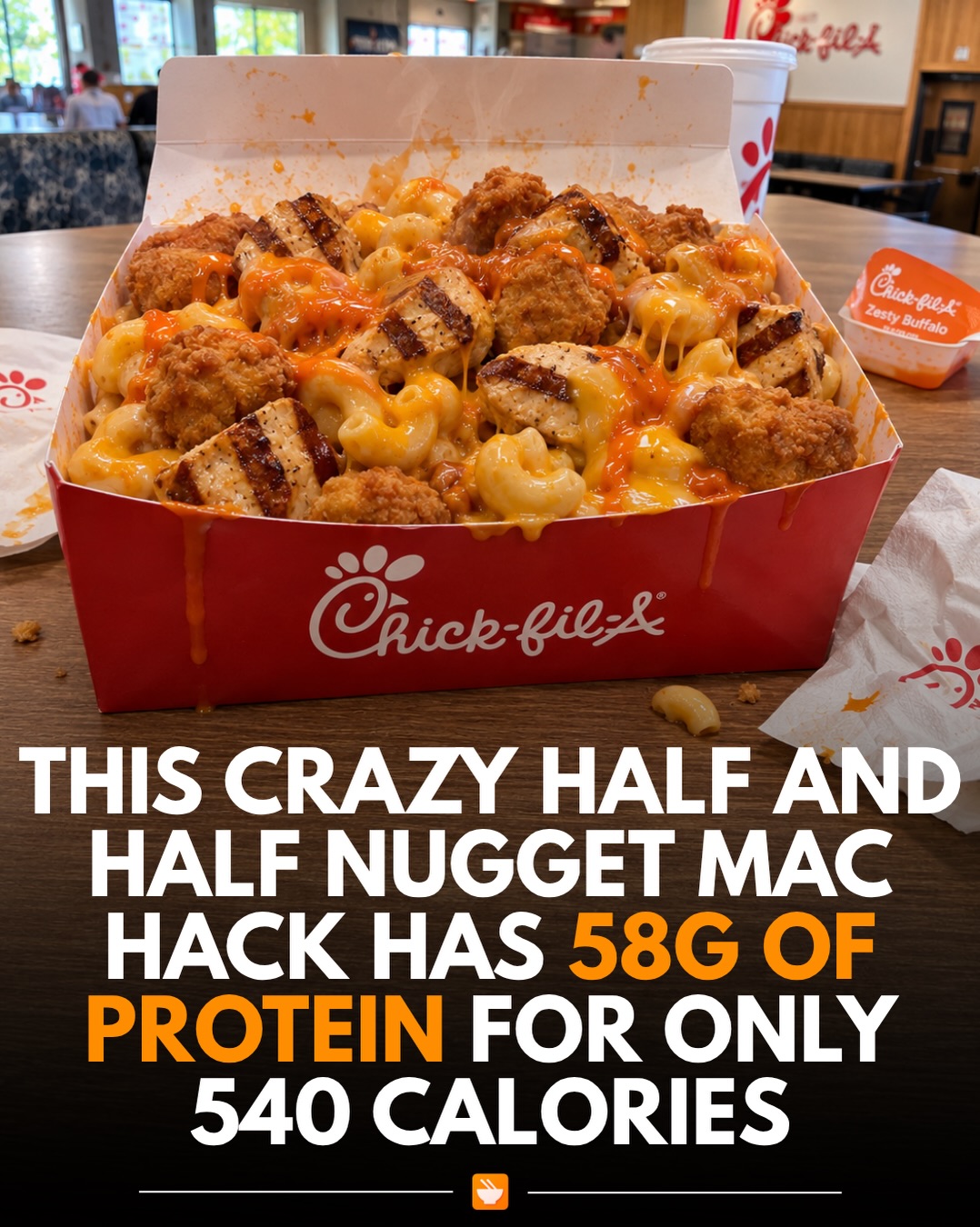
Example: Chick-fil-A Buffalo Chicken Mac & Cheese is 495 calories and 50g protein (about 10.1g per 100 calories, which is actually decent). But it’s still a calorie-dense way to get protein compared to grilled nuggets.
Rule 3: Add protein before you add fat
If you’re trying to keep calories controlled, “extra chicken” tends to improve the ratio more than “add cheese” or “add avocado.”
You can see it at Chipotle:
- Chipotle Lean Greens Steak Bowl is 335 calories and 30g protein (about 9.0g per 100 calories).
- Chipotle Barbacoa + Chicken Protein Bowl is 385 calories and 57g protein (about 14.8g per 100 calories).
More protein, not that many more calories.
Rule 4: Treat sauces and sides like macros, not vibes
A sauce can be “just a sauce” or it can be half the calories.
When you want protein density, lean on low-cal options.
At Chipotle, salsas are tiny calorie hits:
- Tomatillo-Green Chili Salsa: 15 calories
- Fresh Tomato Salsa: 25 calories
- Tomatillo-Red Chili Salsa: 30 calories
You can stack flavor without wrecking the ratio.
Practical swaps you can say out loud
Use these as templates. The goal is always the same: keep the protein, drop the calories that don’t help protein density much.
- Instead of Chick-fil-A Cobb Salad w/ Grilled Filet (690 calories, 36g protein), get Grilled Nuggets (12 ct) (200 calories, 38g protein), you save 490 calories and add 2g protein.
- Instead of Chipotle Fully Loaded Burrito + Chips (2060 calories, 68g protein), get a Triple Chicken Power Bowl (600 calories, 97g protein), you save 1460 calories and add 29g protein.
- Instead of a CAVA Greek Chicken Pita (895 calories, 48g protein), get Build-Your-Own: SuperGreens + Grilled Chicken + Grilled Steak (455 calories, 65g protein), you save 440 calories and add 17g protein.
- Instead of Subway 6" Rotisserie-Style Chicken (310 calories, 25g protein), get a Subway Club Protein Bowl (410 calories, 44g protein), you add 100 calories and add 19g protein (often a better trade if your goal is higher protein).
A quick way to “eyeball” protein density on any menu
If you don’t have nutrition facts in front of you, use this quick screen:
- Pick the leanest protein on the menu (grilled chicken, turkey, steak).
- Choose the lowest-calorie base (greens, bowl, lettuce wrap, no bun).
- Limit calorie-dense add-ons (cheese, creamy sauces, chips, fries).
- If you want more food volume, add veggies first, then carbs.
If your order is mostly lean protein plus produce, you’re probably in the “good” to “excellent” zone.
Where LeanBites fits in
LeanBites scores restaurant menu items based on more protein per calorie ranking higher, using each chain’s published nutrition info. Your score is personalized after a quick onboarding (goal, activity level, cravings, foods you don’t eat), and anything you exclude won’t show up again.
If you like the idea of protein density but don’t want to do math in the drive-thru, that’s the whole point.
One more practical tip: when you find a protein-dense “default order” at a place you go a lot, save it in your notes so you don’t have to solve dinner from scratch every time.
FAQ
How do you calculate protein per calorie?
Divide grams of protein by calories, then multiply by 100 to get grams per 100 calories. Example: 25g protein at 130 calories is (25 ÷ 130) × 100 = about 19.2g per 100 calories.
What’s a good protein density for restaurant meals?
As a quick benchmark, 8–12g protein per 100 calories is good, and 12g+ is excellent. Under 6g per 100 calories is usually a sign the calories are coming mostly from fat or refined carbs.
Are salads automatically high protein density?
No. A salad can be protein-dense, or it can be calorie-dense if it’s loaded with cheese, oils, and creamy dressing. For example, Chick-fil-A Cobb Salad w/ Grilled Filet is 690 calories with 36g protein (about 5.2g per 100 calories).
What’s the easiest way to increase protein density when ordering out?
Start with lean protein, switch to a bowl or greens base, and keep creamy sauces and cheese minimal. If you want to spend calories, spend them on extra protein first.